Tuscan Leather vs Oud Wood Intense
Side by side. Scored honestly.
← Compare different fragrances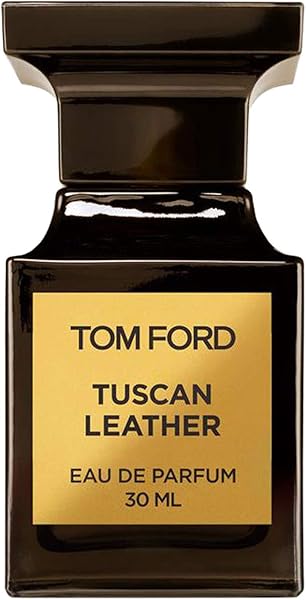

Side by side
Comparing the originals — price, breadth, listed-note depth.
Opens with a sharp, slightly tart raspberry cut through by metallic saffron — not sweet, more like blood and spice. Thyme adds a dry herbal edge before the heart pivots hard into leather: raw, almost animalic, the kind that smells like hide rather than a jacket. Jasmine softens without feminizing it. The dry-down settles into a warm amber-olibanum base that anchors the leather for hours. Projection is assertive but never screaming; sillage lingers close and dark — Built for cold weather and anyone who wants to smell expensive and slightly dangerous.
Opens with a sharp cardamom bite that quickly gives way to a dense, resinous oud — smoky but polished, not barnyard. Sandalwood and cedar smooth the heart into something almost creamy, while leather adds a dry, slightly animalic edge that keeps it from going soft. Amber anchors the dry-down with a warm, honeyed depth that lingers close to skin for hours. Projection is moderate but deliberate; sillage is a dark, woody trail rather than a cloud. — Cold-weather evenings, formal settings, anyone who wants oud that commands without shouting.
How they overlap
Tuscan Leather and Oud Wood Intense share 2 notes (leather, amber). The same note name doesn't always mean the same scent — different houses use different vanillas, different woods, different musks — but a multi-note shared spine usually does indicate genuinely-comparable wear character. The remaining notes (5 unique to Tuscan Leather, 4 unique to Oud Wood Intense) are where the divergence happens.
The buying decision
Oud Wood Intense is the cheaper original at $375 compared to $435 for Tuscan Leather — about 14% less. Both wear best across the same fall/winter — they're interchangeable on weather fit.
Free: The 30 Best-Tested Dupes Under $40
A community-scored cheat sheet you can download now — 30 designer scents matched for under $40, ranked by accuracy and longevity.