Vanitas vs Man Eau Fraiche
Side by side. Scored honestly.
← Compare different fragrances
Side by side
Comparing the originals — price, breadth, listed-note depth.
Mandarin opens things up with a brief, bright citrus edge before the florals take over completely — jasmine and tuberose push forward in the heart with a thick, heady quality, softened slightly by orange blossom and ylang-ylang so it doesn't tip into sharp or medicinal territory. The dry-down is where it earns its oriental label: vanilla and sandalwood settle into something warm and slightly powdery, with musk keeping projection close to the skin. Sillage is moderate, intimate rather than room-filling — a nighttime fragrance for someone who wants warmth without loudness.
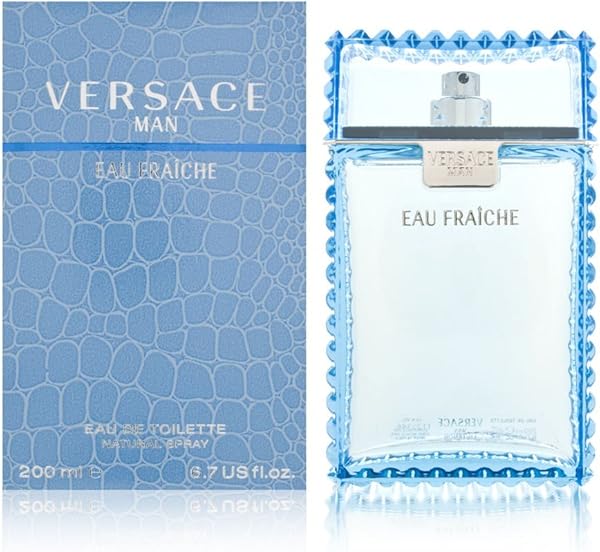
Opens with a sharp citrus burst — lemon and bergamot hit clean and bright, lifted by a quick cardamom spice that keeps it from going flat. The heart settles into cool, slightly herbal territory: sage and tarragon give it a green, almost aquatic edge without leaning watery. Cedar grounds the dry-down alongside amber and musk, landing somewhere warm but never heavy. Projection is polite, maybe a foot or two off skin, with a soft musk sillage that lingers three to five hours — A warm-weather staple for anyone who wants effortlessly clean and approachable over anything bold or complex.
How they overlap
Vanitas and Man Eau Fraiche share exactly one note (musk). The overlap is real but narrow — most of the wear experience will diverge.
The buying decision
Original-bottle pricing is essentially identical ($95 vs $95), so the choice rarely comes down to upfront cost. Vanitas is built for fall/winter; Man Eau Fraiche for spring/summer. Pick by when you'd actually wear it. They sit in different families — Vanitas is floral+oriental, Man Eau Fraiche is fresh+woody. Comparison is more about preference than tradeoff. Heads up: Vanitas is marketed feminine, Man Eau Fraiche is marketed masculine — they target different wearers, though plenty of buyers cross those lines.