Flowerbomb Dew vs Flowerbomb Nectar
Side by side. Scored honestly.
← Compare different fragrances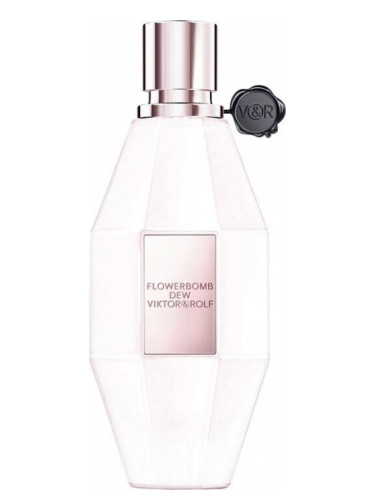

Side by side
Comparing the originals — price, breadth, listed-note depth.
Opens with a juicy, almost edible burst of peach and litchi before peony and rose take over the heart — soft, pillowy florals that lean more candy-sweet than green or soapy. Jasmine adds just enough depth to keep it from feeling flat. The dry-down is where it earns its gourmand tag: vanilla and sandalwood pull the florals into warm, skin-close territory, with a clean musk extending the trail quietly. Projection is modest; this wears close and intimate rather than filling a room — A warm-weather daily wear for anyone who wants sweetness without heaviness.
Pink pepper opens things with a brief, sharp snap before the heart buries it under dense rose and creamy tuberose — lush, almost suffocating florals that lean more velvet than fresh. Patchouli and oud arrive early enough to darken the whole composition, pulling it amber-deep and earthy without going fully resinous. The dry-down is vanilla-heavy and long-lasting, leaving a warm, slightly smoky sweetness on skin for hours. Projection is bold in the first two hours, then settles into intimate but persistent sillage — Fall and winter evenings, for anyone who wants their presence felt before they enter the room.
How they overlap
Flowerbomb Dew and Flowerbomb Nectar share 2 notes (rose, vanilla). The same note name doesn't always mean the same scent — different houses use different vanillas, different woods, different musks — but a multi-note shared spine usually does indicate genuinely-comparable wear character. The remaining notes (6 unique to Flowerbomb Dew, 4 unique to Flowerbomb Nectar) are where the divergence happens.
The buying decision
Flowerbomb Nectar is the cheaper original at $135 compared to $160 for Flowerbomb Dew — about 16% less. Flowerbomb Dew is built for spring/summer/fall; Flowerbomb Nectar for fall/winter. Pick by when you'd actually wear it.