Naxos vs Torino21
Side by side. Scored honestly.
← Compare different fragrances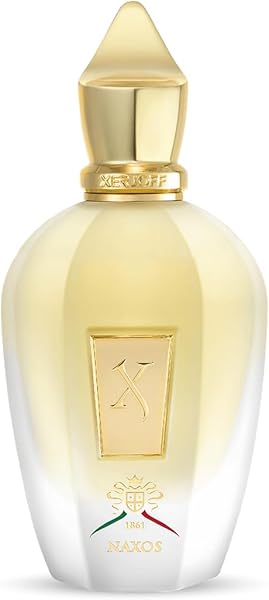

Side by side
Comparing the originals — price, breadth, listed-note depth.
Opens with a clean, almost herbal lavender that dissolves quickly into a rich honey-tobacco heart — warm, slightly smoky, with the tonka bean rounding off any harshness. As it settles, vanilla and cedarwood anchor the dry-down into a dense, skin-close sweetness that reads more sophisticated than candy. Projection is generous in the first few hours before pulling into a soft, clinging sillage that lasts well into the next day. Nothing sharp or abrasive; it moves like something expensive — Autumn and winter evenings, for someone who wants gourmand warmth without smelling like a bakery.
Bergamot and lemon open bright and clean without being sharp, fading quickly into a soft iris-jasmine heart that reads more powdery than floral. The real character lives in the dry-down: amber and musk settle into something warm and slightly creamy, with cedar providing just enough woody structure to keep it from going full gourmand. Projection is moderate and polished rather than loud — close-to-skin sillage by mid-wear. Quiet confidence, not a statement. — Best in cooler months for office wear or evening occasions where restraint reads as sophistication.
How they overlap
Naxos and Torino21 share no notes in common — these two fragrances target very different olfactory territory, and the comparison is a question of which direction you want to go rather than which version of the same accord.
The buying decision
Naxos is the cheaper original at $290 compared to $345 for Torino21 — about 16% less. Naxos is built for fall/winter; Torino21 for spring/summer/fall. Pick by when you'd actually wear it.
Recommendation
These two land in genuinely different scent territory — there's no "better" answer, just which direction you want to go. Read the scent descriptions above and pick the one that sounds like you'd want to smell.
Free: The 30 Best-Tested Dupes Under $40
A community-scored cheat sheet you can download now — 30 designer scents matched for under $40, ranked by accuracy and longevity.