Y EDP vs Symphony
Side by side. Scored honestly.
← Compare different fragrances
Side by side
Comparing the originals — price, breadth, listed-note depth.
Bergamot hits first — bright, slightly tart, gone within minutes. The heart is where it earns its reputation: sage and geranium lock into the amberwood base early, creating a clean-but-substantial green-woody accord that smells polished without being stiff. Ginger adds a faint sharpness that keeps it from going sweet. Cedar grounds the dry-down into something dry and skin-close. Projection is moderate, sillage stays tasteful — present without announcing itself across the room. — A reliable everyday wear for spring and fall, built for the office or a first date.
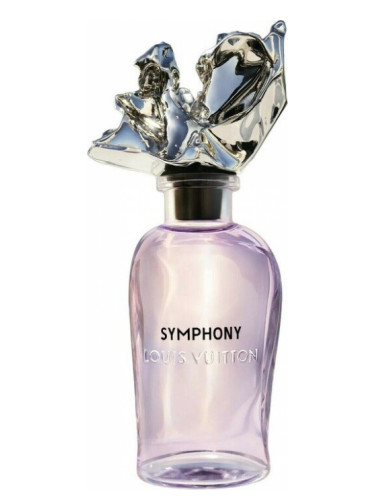
The opening is cool and powdery, iris and aldehydes hitting together with that slightly soapy, almost metallic lift that classic aldehydic florals are known for — refined rather than sharp. Rose steps in to soften the heart without turning sweet, keeping things restrained and slightly abstract. The dry-down is where it earns its price: sandalwood and amber build a warm, skin-close base that holds the powder without turning gourmand, while musk keeps sillage intimate and long-lasting. Projection is moderate — it announces, doesn't broadcast — best worn in cooler months by anyone who wants something quiet and genuinely elegant, whether in a boardroom or a winter coat.
How they overlap
Y EDP and Symphony share no notes in common — these two fragrances target very different olfactory territory, and the comparison is a question of which direction you want to go rather than which version of the same accord.
The buying decision
Y EDP is the cheaper original at $115 compared to $600 for Symphony — about 81% less. Symphony covers 3 seasons (spring, fall, winter) — wider weather range than Y EDP, which leans spring/fall-only.
Recommendation
If you're price-sensitive, Y EDP delivers comparable territory at $485 less than Symphony. If you want the specific character of Symphony — the prose above is the better guide than the price — the premium is what you're paying for.