Outlands vs Figment Man
Side by side. Scored honestly.
← Compare different fragrances
No shared notes — these two land in very different territory.
Side by side
Comparing the originals — price, breadth, listed-note depth.
Opens with a sharp, resinous incense that sits on top of dry, smoky oud — the combination is austere and a little confrontational. Spices add warmth rather than sweetness, pushing the leather into something almost medicinal in the heart. The dry-down softens considerably as amber and sandalwood arrive, rounding the edges into a dense, skin-close finish with lasting sillage. Projection is bold early, then pulls inward for hours of quiet depth — best worn in cold weather by someone comfortable commanding a room without trying.
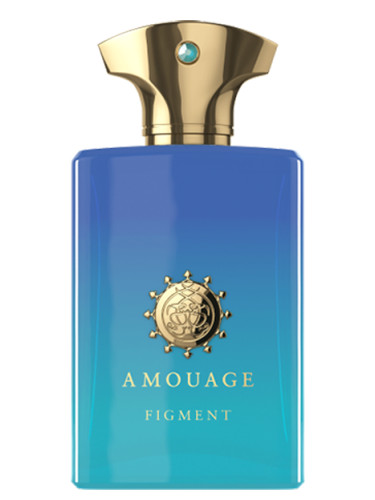
Opens with a cool, almost medicinal iris sharpened by violet leaf and a faint cardamom-pink pepper crackle that keeps the opening from going too soft. The heart settles into a structured dark floral — iris dominant, a little powdery, a little earthy — with labdanum pulling it toward something resinous and slightly animalic without ever losing composure. The dry-down is patchouli and vetiver grounded in a clean musk, giving it weight and staying power without heaviness. Projection is moderate, sillage intimate and deliberate — it rewards proximity rather than announcing itself across a room. — Fall and winter evenings; suits someone who wants a cool, architectural floral with enough darkness underneath to feel genuinely adult.
How they overlap
Outlands and Figment Man share no notes in common — these two fragrances target very different olfactory territory, and the comparison is a question of which direction you want to go rather than which version of the same accord.
The buying decision
Outlands is the cheaper original at $195 compared to $345 for Figment Man — about 43% less.
Recommendation
If you're price-sensitive, Outlands delivers comparable territory at $150 less than Figment Man. If you want the specific character of Figment Man — the prose above is the better guide than the price — the premium is what you're paying for.