Blue Sapphire vs Baccarat Rouge 540
Side by side. Scored honestly.
← Compare different fragrances
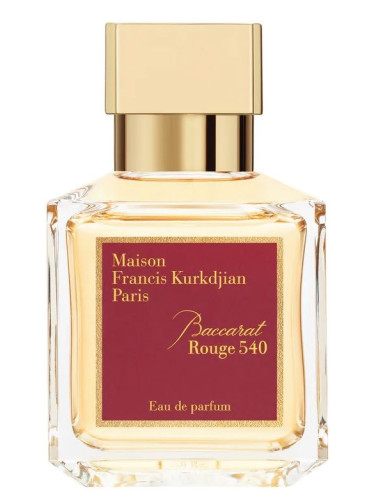
Side by side
Comparing the originals — price, breadth, listed-note depth.
Bergamot opens clean and briefly citrus-sharp before iris sweeps in with its cool, powdery chalk — the kind that reads more grey stone than floral. Oud arrives quietly in the heart, not aggressive or barnyard-heavy, but dry and slightly resinous, grounded by sandalwood that smooths everything into a creamy wood base. Amber and musk close it down to a warm, skin-close dry-down with moderate sillage and soft projection throughout. Wears long, intimate by the final hours — best for cold-weather evenings when you want something polished, slightly mysterious, and gender-neutral without being anonymous.
Saffron opens sharp and slightly medicinal, then almost immediately dissolves into a warm, luminous blur of jasmine and amberwood — the signature move that made this famous. The heart is less floral than it sounds; the jasmine reads more as a sweetened airiness than a recognizable bloom. Dry-down is where it lives: cedar and fir resin ground a soft, skin-close amber that radiates rather than announces itself, with sillage that lingers in a room long after you've left — Fall and winter wearing, for anyone who wants to smell expensive without being loud about it.
How they overlap
Blue Sapphire and Baccarat Rouge 540 share no notes in common — these two fragrances target very different olfactory territory, and the comparison is a question of which direction you want to go rather than which version of the same accord.
The buying decision
Baccarat Rouge 540 is the cheaper original at $335 compared to $355 for Blue Sapphire — about 6% less. Both wear best across the same fall/winter — they're interchangeable on weather fit.
Recommendation
These two land in genuinely different scent territory — there's no "better" answer, just which direction you want to go. Read the scent descriptions above and pick the one that sounds like you'd want to smell.
Free: The 30 Best-Tested Dupes Under $40
A community-scored cheat sheet you can download now — 30 designer scents matched for under $40, ranked by accuracy and longevity.