The Scent File Pick for Goddess EDP

Maison Alhambra
Athena
$15–$25
You keep $170 · up to 92%
Accuracy9
Longevity7
Side by side. Scored honestly.
← Compare different fragrances
Comparing the originals — price, breadth, listed-note depth.
Lavender opens soft and slightly powdery before the vanilla orchid and amber pull it into warmer, creamier territory. The heart settles into a skin-close gourmand haze — sweet but not cloying, with sandalwood adding just enough dry depth to keep it from reading as pure dessert. Projection is moderate; sillage stays intimate. The dry-down is the best part: a warm, musky vanilla that clings for hours without announcing itself. Clean but sensual, simple in the best way — fall and winter evenings, for anyone who wants to smell effortlessly good without trying too hard.
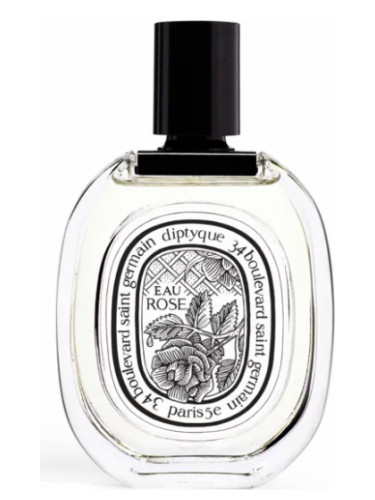
Diptyque's 2012 Eau de Toilette ode to rose — distinct from the 2022 EDP reformulation (which is darker and longer-wearing). The EDT is fresh-springy: litchi, black currant, and bergamot open with bright fruit before two roses (Centifolia and Damascena) settle into the heart alongside geranium and jasmine. The base is light — musk, Virginia cedar, and white honey rather than the patchouli-heavy bases of more recent rose releases. Transparent, green, slightly fruity. Reads as daytime spring/summer wear rather than evening or winter.
Goddess EDP and Eau Rose EDT share exactly one note (musk). The overlap is real but narrow — most of the wear experience will diverge.
Goddess EDP is the cheaper original at $185 compared to $195 for Eau Rose EDT — about 5% less. Goddess EDP is built for fall/winter; Eau Rose EDT for spring/summer. Pick by when you'd actually wear it.
The match each fragrance’s own page ranks first, with its own price and scores.

A community-scored cheat sheet you can download now — 30 designer scents matched for under $40, ranked by accuracy and longevity.