Fahrenheit vs Oud Ispahan
Side by side. Scored honestly.
← Compare different fragrances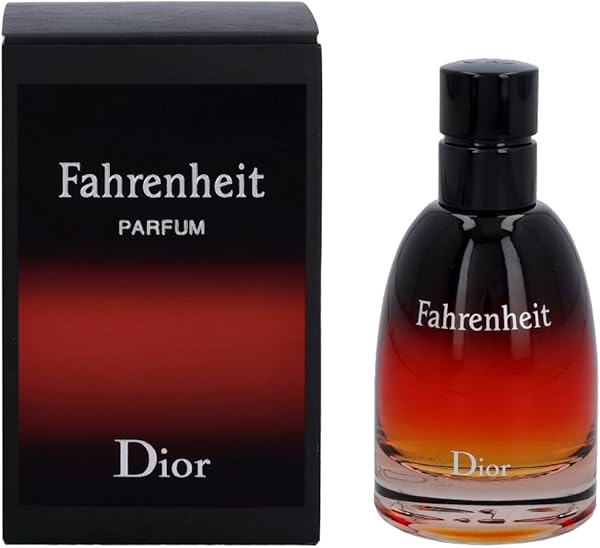
Side by side
Comparing the originals — price, breadth, listed-note depth.
Opens with a sharp, almost gasoline-edged violet and cedar accord that reads more industrial than floral — distinctive and polarizing right from the first spray. The lavender and nutmeg soften the heart, adding a faintly spiced warmth without going sweet, while honeysuckle provides just enough freshness to keep it from feeling heavy. The leather dry-down is the anchor: smooth, slightly animalic, and long-lasting with moderate-to-strong sillage that fills a room without shouting. — Best worn in cool weather by someone who wants to be noticed without explaining themselves.
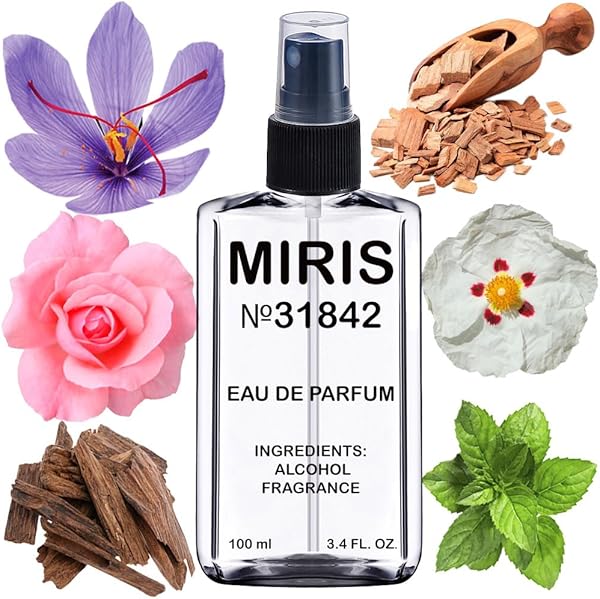
Opens with a bold, resinous rose doused in smoky oud — rich and almost medicinal in the first minutes, then settling into a dense floral-wood heart where the two notes lock together seamlessly. Amber deepens the base while sandalwood softens the oud's edge, and patchouli adds a faint earthiness beneath. Incense threads through the dry-down, keeping things ceremonial rather than sweet. Projection is substantial; sillage lingers long after you leave a room. Musk anchors the whole structure without going soft — this stays dark, serious, and deliberate throughout — Best worn in cold weather or evening settings by anyone who wants fragrance to make a statement before they do.
How they overlap
Fahrenheit and Oud Ispahan share no notes in common — these two fragrances target very different olfactory territory, and the comparison is a question of which direction you want to go rather than which version of the same accord.
The buying decision
Fahrenheit is the cheaper original at $155 compared to $310 for Oud Ispahan — about 50% less. Fahrenheit covers 3 seasons (spring, fall, winter) — wider weather range than Oud Ispahan, which leans fall/winter-only.
Recommendation
If you're price-sensitive, Fahrenheit delivers comparable territory at $155 less than Oud Ispahan. If you want the specific character of Oud Ispahan — the prose above is the better guide than the price — the premium is what you're paying for.
Free: The 30 Best-Tested Dupes Under $40
A community-scored cheat sheet you can download now — 30 designer scents matched for under $40, ranked by accuracy and longevity.