Oud Ispahan vs Gris Dior
Side by side. Scored honestly.
← Compare different fragrances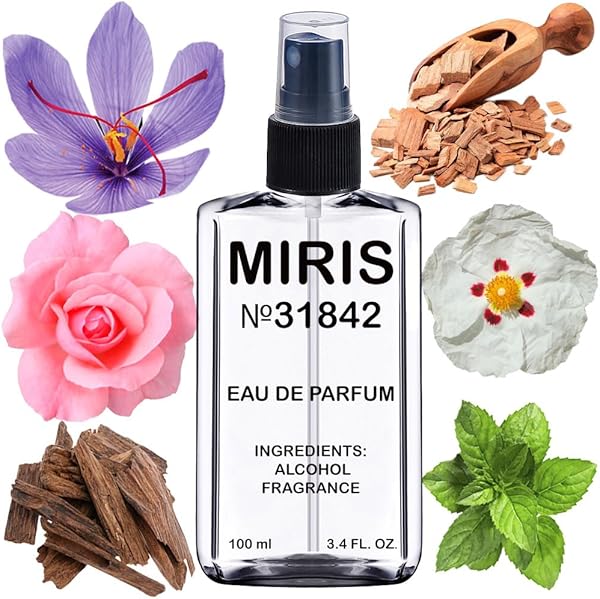
Side by side
Comparing the originals — price, breadth, listed-note depth.
Opens with a bold, resinous rose doused in smoky oud — rich and almost medicinal in the first minutes, then settling into a dense floral-wood heart where the two notes lock together seamlessly. Amber deepens the base while sandalwood softens the oud's edge, and patchouli adds a faint earthiness beneath. Incense threads through the dry-down, keeping things ceremonial rather than sweet. Projection is substantial; sillage lingers long after you leave a room. Musk anchors the whole structure without going soft — this stays dark, serious, and deliberate throughout — Best worn in cold weather or evening settings by anyone who wants fragrance to make a statement before they do.
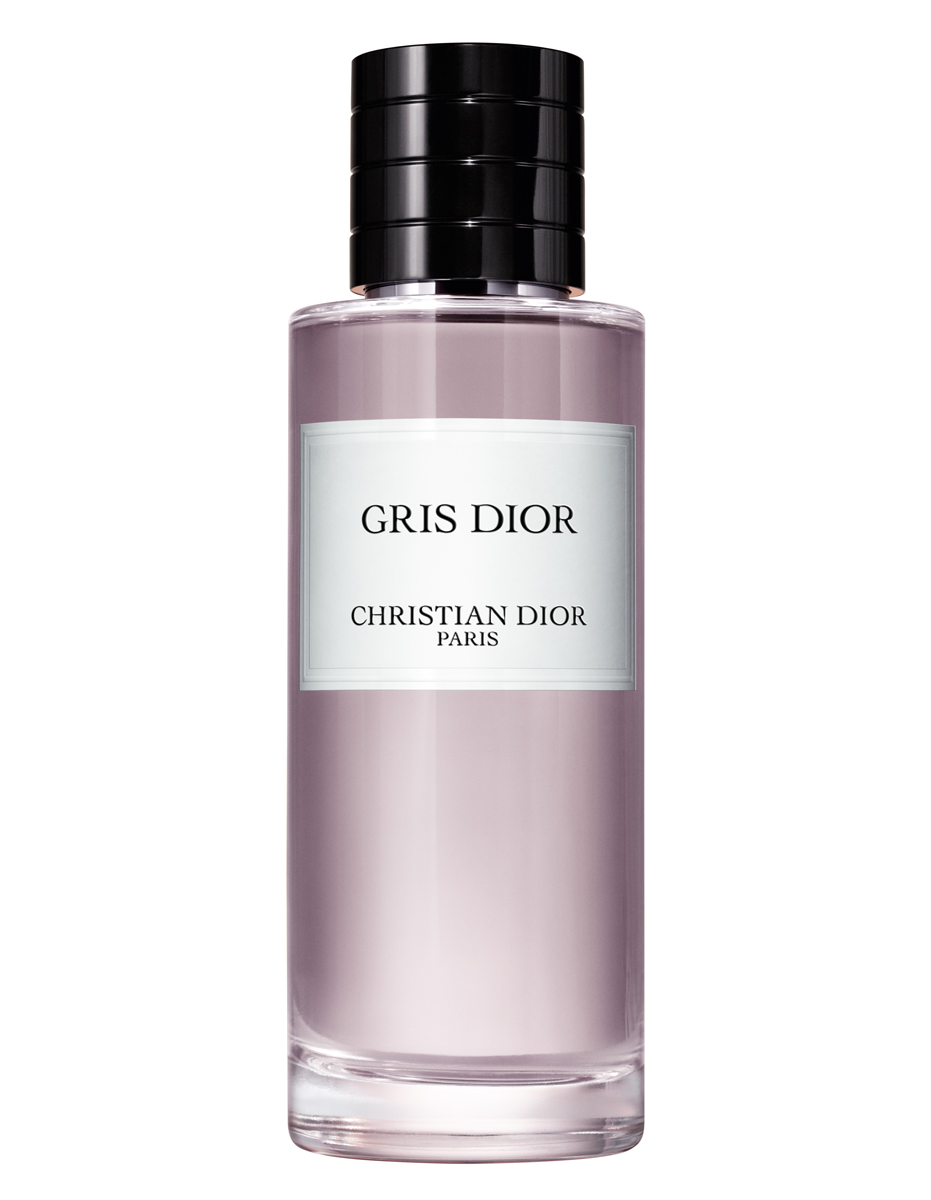
Opens with a sharp bergamot-galbanum bite — green, slightly medicinal, distinctly cool — before iris moves in and softens everything into a powdery, slate-grey floral. Cedar and vetiver anchor the heart without going aggressively woody; the dry-down is where ambroxan takes over, pushing a skin-close, almost metallic warmth that lasts for hours. Projection stays moderate, never loud, with a soft musk sillage that reads as a second-skin effect more than a room-filling statement — Made for cooler spring mornings or early autumn, ideal for anyone who wants polished and understated over sweet or obvious.
How they overlap
Oud Ispahan and Gris Dior share exactly one note (musk). The overlap is real but narrow — most of the wear experience will diverge.
The buying decision
Gris Dior is the cheaper original at $135 compared to $310 for Oud Ispahan — about 56% less.
Recommendation
If you're price-sensitive, Gris Dior delivers comparable territory at $175 less than Oud Ispahan. If you want the specific character of Oud Ispahan — the prose above is the better guide than the price — the premium is what you're paying for.