Oud for Happiness vs Paragon
Side by side. Scored honestly.
← Compare different fragrances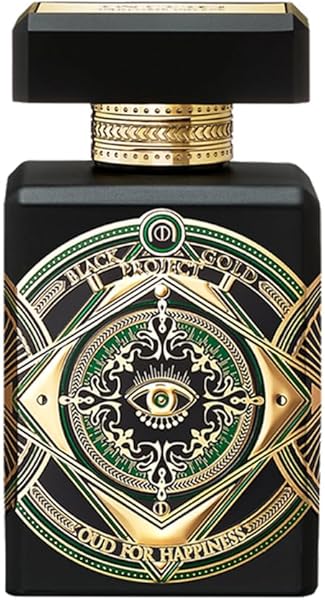

Side by side
Comparing the originals — price, breadth, listed-note depth.
Sweet, resinous oud opens with more warmth than darkness — amber and vanilla push forward immediately, softening any medicinal edge before it can take hold. The heart settles into a thick sandalwood-and-agarwood accord that reads polished rather than raw, blending seamlessly into a musk-anchored dry-down that stays close and skin-like for hours. Projection is moderate but the sillage lingers richly. This leans gourmand-oriental more than straight oud — approachable, undemanding, genuinely pleasant. — Cold-weather evenings, for anyone who wants oud without the challenge.
Cardamom opens with a dry, almost smoky spice that keeps things grounded rather than sweet, before iris steps in to add a cool, powdery chalk that keeps the oriental warmth from going cloying. The heart layers sandalwood and oud into something dense and resinous — not aggressively smoky oud, but a refined woodiness that reads expensive. Amber and musk in the dry-down are smooth and warm, giving the sillage a creamy, skin-close finish with solid longevity. Projects confidently without shouting — built for cold-weather evenings out, especially for someone who wants depth without going full nightclub beast-mode.
How they overlap
Oud for Happiness and Paragon share 4 notes (sandalwood, amber, musk, oud). The same note name doesn't always mean the same scent — different houses use different vanillas, different woods, different musks — but a multi-note shared spine usually does indicate genuinely-comparable wear character. The remaining notes (2 unique to Oud for Happiness, 2 unique to Paragon) are where the divergence happens.
The buying decision
Original-bottle pricing is essentially identical ($295 vs $295), so the choice rarely comes down to upfront cost. Both wear best across the same fall/winter — they're interchangeable on weather fit.
Free: The 30 Best-Tested Dupes Under $40
A community-scored cheat sheet you can download now — 30 designer scents matched for under $40, ranked by accuracy and longevity.