Symphony vs Contre Moi
Side by side. Scored honestly.
← Compare different fragrances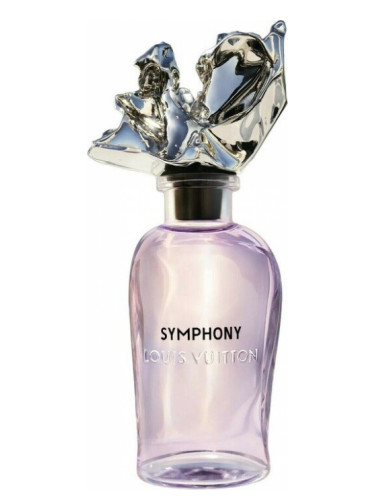
Side by side
Comparing the originals — price, breadth, listed-note depth.
The opening is cool and powdery, iris and aldehydes hitting together with that slightly soapy, almost metallic lift that classic aldehydic florals are known for — refined rather than sharp. Rose steps in to soften the heart without turning sweet, keeping things restrained and slightly abstract. The dry-down is where it earns its price: sandalwood and amber build a warm, skin-close base that holds the powder without turning gourmand, while musk keeps sillage intimate and long-lasting. Projection is moderate — it announces, doesn't broadcast — best worn in cooler months by anyone who wants something quiet and genuinely elegant, whether in a boardroom or a winter coat.
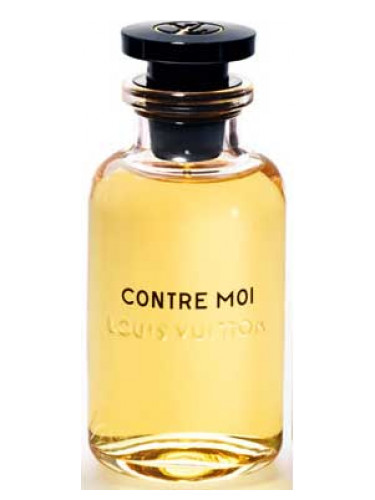
Opens with bright bergamot and lemon that settle quickly into a soft, creamy floral heart — magnolia and orange blossom carry most of the weight here, with rose staying quiet in the background and pear adding a subtle sweetness rather than any real fruitiness. The dry-down is where it earns its reputation: vanilla and cacao pull things warm and skin-close, gourmand without being edible. Projection is moderate, sillage intimate. It doesn't announce itself — it lingers near the wearer. — Best for cooler spring days or early fall evenings; suits someone who wants warmth without heaviness.
How they overlap
Symphony and Contre Moi share exactly one note (rose). The overlap is real but narrow — most of the wear experience will diverge.
The buying decision
Contre Moi is the cheaper original at $280 compared to $360 for Symphony — about 22% less. Symphony is built for spring/fall/winter; Contre Moi for spring/summer/fall. Pick by when you'd actually wear it.
Free: The 30 Best-Tested Dupes Under $40
A community-scored cheat sheet you can download now — 30 designer scents matched for under $40, ranked by accuracy and longevity.