Aoud Exclusif vs Red Tobacco
Side by side. Scored honestly.
← Compare different fragrances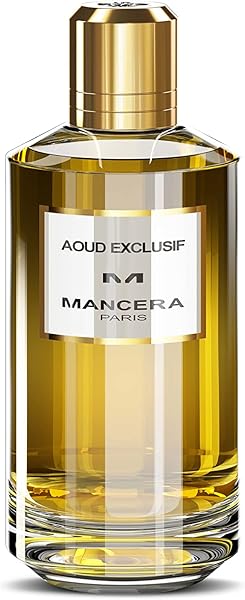
Side by side
Comparing the originals — price, breadth, listed-note depth.
Opens with a sharp, medicinal oud cut through by metallic saffron — arresting and a little confrontational. The heart softens as rose pushes through, lending a dark, smoky floral quality without turning sweet or feminine. Dry-down is where it earns its keep: sandalwood and amber smooth everything into a warm, resinous base with quiet musk underneath. Projection is bold in the first few hours, then pulls close to skin. Sillage lingers well into the evening — rich, animalic, unhurried. — Best on cold nights when you want something unapologetically serious.
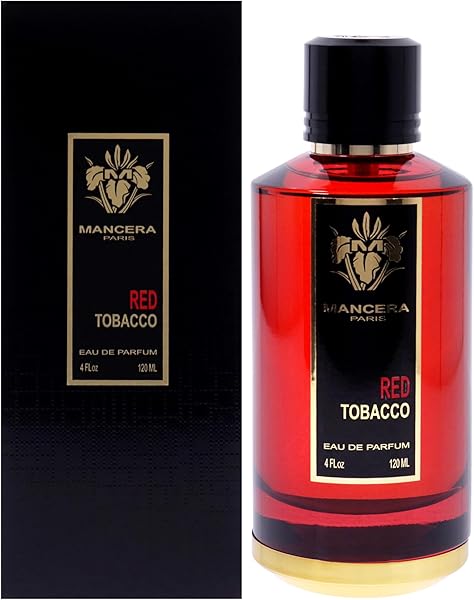
Opens with a punchy, slightly sweet tobacco that smells dry and slightly smoky rather than pipe-pipe creamy. Vanilla and tonka bean arrive quickly in the heart, pulling it gourmand without going candy — the amber keeps things warm and resinous underneath. The leather is present but quiet, more texture than statement. Cedar and sandalwood anchor the dry-down into something genuinely woody and long-lasting, with moderate-to-strong sillage that softens into a close, skin-warming haze by hour four — A cold-weather crowd-pleaser for someone who wants depth without difficulty.
How they overlap
Aoud Exclusif and Red Tobacco share 2 notes (amber, sandalwood). The same note name doesn't always mean the same scent — different houses use different vanillas, different woods, different musks — but a multi-note shared spine usually does indicate genuinely-comparable wear character. The remaining notes (4 unique to Aoud Exclusif, 5 unique to Red Tobacco) are where the divergence happens.
The buying decision
Red Tobacco is the cheaper original at $165 compared to $175 for Aoud Exclusif — about 6% less. Both wear best across the same fall/winter — they're interchangeable on weather fit.