Corfu vs African Leather
Side by side. Scored honestly.
← Compare different fragrances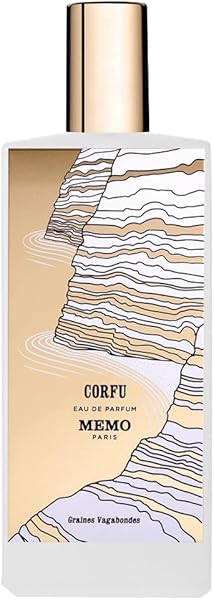

Side by side
Comparing the originals — price, breadth, listed-note depth.
Bergamot and lemon open bright and a little sharp, like citrus zest rather than juice — clean but with real bite. The heart softens as jasmine and orange blossom come through, floral without being heavy, staying close to the skin rather than broadcasting. Cedar gives the dry-down just enough woody dryness to keep it from reading as a simple cologne, and the musk is light, almost skin-like in sillage. Projection is modest throughout; this wears intimate, not showy — ideal for warm-weather days when you want something effortless and quietly polished.
Opens with a sharp, almost medicinal leather that softens quickly as iris steps in — powdery and cool, keeping the leather from turning brutal. The heart settles into a warm, resinous amber and sandalwood core that gives it real density without going overly sweet. Oud shows up more as an earthy undertone than a star player. The dry-down is smooth musk over soft wood, with moderate-to-strong projection and a long, clinging sillage that stays close to skin by hour three — Deep fall and winter wear; suits someone who wants serious leather without the biker-jacket aggression.
How they overlap
Corfu and African Leather share exactly one note (musk). The overlap is real but narrow — most of the wear experience will diverge.
The buying decision
Original-bottle pricing is essentially identical ($295 vs $295), so the choice rarely comes down to upfront cost. Corfu is built for spring/summer; African Leather for fall/winter. Pick by when you'd actually wear it. They sit in different families — Corfu is fresh+floral, African Leather is oriental+woody. Comparison is more about preference than tradeoff.