Siwa vs African Leather
Side by side. Scored honestly.
← Compare different fragrances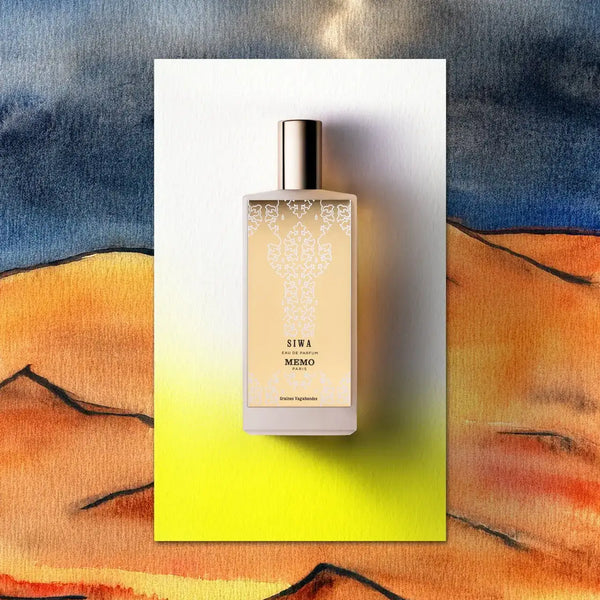

Side by side
Comparing the originals — price, breadth, listed-note depth.
Opens with a warm, almost syrupy date sweetness that reads more honeyed fruit than candy, pulling rose in quickly to add a soft floral backbone without ever going powdery. The heart is where oud takes over — dry, slightly smoky, kept grounded by sandalwood rather than pushed into medicinal territory. Amber and musk ease the dry-down into a skin-close warmth that lasts for hours with modest sillage; projection is intimate rather than commanding. Dry, rich, and quietly confident — best suited for cold evenings, dinners, or anyone who wants an understated but unmistakably luxurious oriental.
Opens with a sharp, almost medicinal leather that softens quickly as iris steps in — powdery and cool, keeping the leather from turning brutal. The heart settles into a warm, resinous amber and sandalwood core that gives it real density without going overly sweet. Oud shows up more as an earthy undertone than a star player. The dry-down is smooth musk over soft wood, with moderate-to-strong projection and a long, clinging sillage that stays close to skin by hour three — Deep fall and winter wear; suits someone who wants serious leather without the biker-jacket aggression.
How they overlap
Siwa and African Leather share 4 notes (amber, sandalwood, musk, oud). The same note name doesn't always mean the same scent — different houses use different vanillas, different woods, different musks — but a multi-note shared spine usually does indicate genuinely-comparable wear character. The remaining notes (2 unique to Siwa, 2 unique to African Leather) are where the divergence happens.
The buying decision
Original-bottle pricing is essentially identical ($295 vs $295), so the choice rarely comes down to upfront cost. Both wear best across the same fall/winter — they're interchangeable on weather fit.