Starry Night vs Black Aoud
Side by side. Scored honestly.
← Compare different fragrances
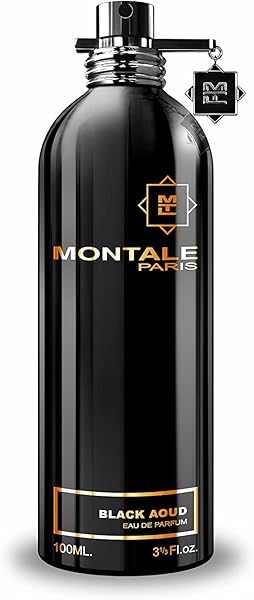
Side by side
Comparing the originals — price, breadth, listed-note depth.
Opens with a dark, almost jammy collision of blackcurrant and raspberry — ripe and slightly boozy, not sweet-candy. Rose enters quickly in the heart, adding a crushed-petal quality that keeps the fruit from going too sugary. The dry-down is where it earns its keep: oud and patchouli push forward with a resinous, slightly smoky depth, anchored by amber and sandalwood into something warm and close-sitting. Projection is moderate; sillage lingers as a soft, woody-dark trail rather than announcing itself loudly — Built for cool weather and low-lit rooms, worn by anyone who wants something smoldering without being aggressive.
Opens with raw, almost medicinal oud that hits hard — no easing in, no apology. The rose arrives quickly but doesn't soften things; it reads dark and slightly bruised against the oud rather than pretty or fresh. Raspberry adds a faintly metallic sweetness that keeps it from feeling purely austere. The dry-down is where patchouli, sandalwood, and vetiver pull everything into a dense, smoky wood base with a skin-close musk that lingers for hours. Projection is bold early, then settles into a commanding but personal sillage. — Cold weather, evenings, for anyone who wants oud that doesn't apologize for being oud.
How they overlap
Starry Night and Black Aoud share 6 notes (oud, rose, patchouli, musk, and others). The same note name doesn't always mean the same scent — different houses use different vanillas, different woods, different musks — but a multi-note shared spine usually does indicate genuinely-comparable wear character. The remaining notes (2 unique to Starry Night, 1 unique to Black Aoud) are where the divergence happens.
The buying decision
Starry Night is the cheaper original at $135 compared to $165 for Black Aoud — about 18% less. Both wear best across the same fall/winter — they're interchangeable on weather fit.