Vanilla Extasy vs Starry Night
Side by side. Scored honestly.
← Compare different fragrances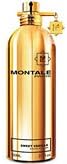

Side by side
Comparing the originals — price, breadth, listed-note depth.
Thick and unabashedly sweet from the first spray, vanilla leads hard with tonka bean pushing it toward a baked, almost edible density. Rose softens the heart without going floral — it rounds the sweetness rather than lifting it. Sandalwood and amber anchor the dry-down into something warm and resinous, while a close musk keeps sillage intimate rather than broadcast. Projection is moderate; this wears like a second skin after an hour, leaving a rich amber-vanilla trail. — Best for cold evenings when you want something indulgent and unapologetically feminine.
Opens with a dark, almost jammy collision of blackcurrant and raspberry — ripe and slightly boozy, not sweet-candy. Rose enters quickly in the heart, adding a crushed-petal quality that keeps the fruit from going too sugary. The dry-down is where it earns its keep: oud and patchouli push forward with a resinous, slightly smoky depth, anchored by amber and sandalwood into something warm and close-sitting. Projection is moderate; sillage lingers as a soft, woody-dark trail rather than announcing itself loudly — Built for cool weather and low-lit rooms, worn by anyone who wants something smoldering without being aggressive.
How they overlap
Vanilla Extasy and Starry Night share 4 notes (rose, musk, amber, sandalwood). The same note name doesn't always mean the same scent — different houses use different vanillas, different woods, different musks — but a multi-note shared spine usually does indicate genuinely-comparable wear character. The remaining notes (2 unique to Vanilla Extasy, 4 unique to Starry Night) are where the divergence happens.
The buying decision
Starry Night is the cheaper original at $135 compared to $175 for Vanilla Extasy — about 23% less. Both wear best across the same fall/winter — they're interchangeable on weather fit.