White Aoud vs Dark Purple
Side by side. Scored honestly.
← Compare different fragrances
Side by side
Comparing the originals — price, breadth, listed-note depth.
Bergamot cuts through briefly at the open before oud and rose lock in together — this is the core the whole fragrance orbits. The oud here reads clean and slightly medicinal rather than barnyard-funky, softened by the rose into something almost powdery. Sandalwood and amber thicken the heart as it settles, pulling it warmer and creamier toward the dry-down, where musk holds a moderate sillage for hours without going loud. Projection is confident but not aggressive — it stays close and rich rather than broadcasting across a room — Fall and winter evenings, anyone drawn to structured, polished oud without the animalic edge.
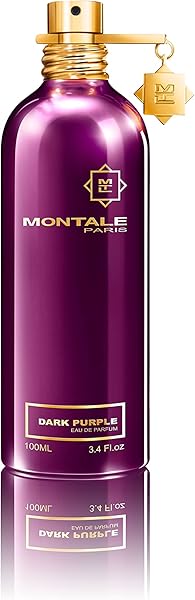
Opens with a collision of dark plum and raspberry — jammy, almost bruised fruit — before rose steps in to add some structure without softening the mood. The oud arrives in the heart, earthy and slightly smoky, keeping everything from sliding into pure dessert territory. The dry-down settles into warm amber, vanilla, and patchouli with strong sillage that lingers close to skin by the final hours. Projection is bold early, intimate late — it announces itself, then stays personal. — Best worn on cold evenings when you want something unapologetically rich and a little seductive.
How they overlap
White Aoud and Dark Purple share 4 notes (rose, oud, musk, amber). The same note name doesn't always mean the same scent — different houses use different vanillas, different woods, different musks — but a multi-note shared spine usually does indicate genuinely-comparable wear character. The remaining notes (2 unique to White Aoud, 4 unique to Dark Purple) are where the divergence happens.
The buying decision
Dark Purple is the cheaper original at $145 compared to $195 for White Aoud — about 26% less. Both wear best across the same fall/winter — they're interchangeable on weather fit.