Altair vs Haltane
Side by side. Scored honestly.
← Compare different fragrances
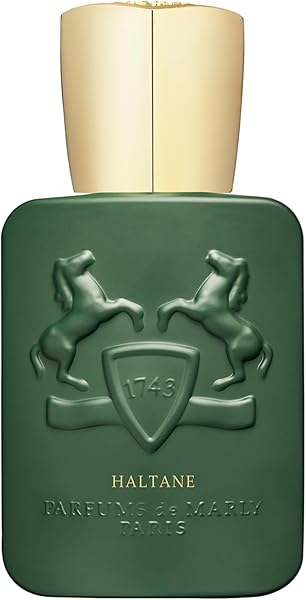
Side by side
Comparing the originals — price, breadth, listed-note depth.
Bergamot opens things cleanly but briefly, stepping aside within minutes for a cool, powdery iris that anchors the heart. The oud here is restrained and smooth rather than medicinal — more texture than funk — blending into warm sandalwood that gives the whole thing a polished, slightly creamy weight. Amber and musk lock the dry-down into a soft, skin-close finish with solid longevity but modest projection after the first hour or two. Confident without being loud — best worn in cooler months by someone who wants a refined, office-appropriate woody oriental with quiet staying power.
Opens with a bright, slightly medicinal bergamot that clears fast, making room for a cool, powdery iris that anchors the heart — not the lipstick kind, more rooty and clean. Ambroxan does the heavy lifting through the dry-down, lending that skin-close, almost airy warmth that reads as expensive without demanding attention. Sandalwood and musk settle underneath, smooth and unobtrusive. Projection is moderate, sillage polite — this wears close and lets people notice on approach rather than arrival — A refined warm-weather choice for someone who wants effortless, boardroom-to-dinner versatility.
How they overlap
Altair and Haltane share 4 notes (bergamot, iris, sandalwood, musk). The same note name doesn't always mean the same scent — different houses use different vanillas, different woods, different musks — but a multi-note shared spine usually does indicate genuinely-comparable wear character. The remaining notes (2 unique to Altair, 1 unique to Haltane) are where the divergence happens.
The buying decision
Altair is the cheaper original at $265 compared to $295 for Haltane — about 10% less.