Arabian Horse vs Pegasus EDP
Side by side. Scored honestly.
← Compare different fragrances
Side by side
Comparing the originals — price, breadth, listed-note depth.
Opens with a bright cardamom-and-bergamot burst that fades quickly, making way for the real story: a dense, resinous oud anchored by creamy sandalwood and warm amber. The oud here leans more polished than barnyard — medicinal edges smoothed out by the musk and amber working underneath. Projection is moderate but confident; sillage clings close and rich without overwhelming a room. The dry-down settles into a sweet, woody amber musk that wears for hours — Ideal for cool evenings, formal occasions, or anyone wanting a composed, luxury-statement oriental.
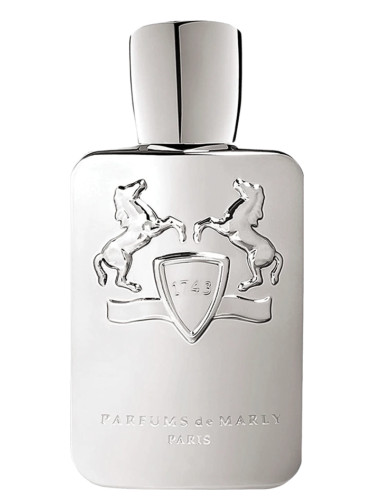
Bergamot opens things up cleanly before stepping aside almost immediately, letting heliotrope and almond take center stage in the heart — a powdery, almost confectionery pairing that reads warm and skin-close rather than sharp. Jasmine adds quiet floral depth without going feminine. The dry-down settles into sandalwood and vanilla, soft and creamy with moderate sillage that stays within a few feet. Projection is polite, longevity solid at six-plus hours. — Best in cold weather on someone who wants a crowd-pleasing, wearable signature that leans sweet without going full dessert.
How they overlap
Arabian Horse and Pegasus EDP share 2 notes (bergamot, sandalwood). The same note name doesn't always mean the same scent — different houses use different vanillas, different woods, different musks — but a multi-note shared spine usually does indicate genuinely-comparable wear character. The remaining notes (5 unique to Arabian Horse, 4 unique to Pegasus EDP) are where the divergence happens.
The buying decision
Pegasus EDP is the cheaper original at $265 compared to $295 for Arabian Horse — about 10% less.