Creation-E vs Diaghilev
Side by side. Scored honestly.
← Compare different fragrances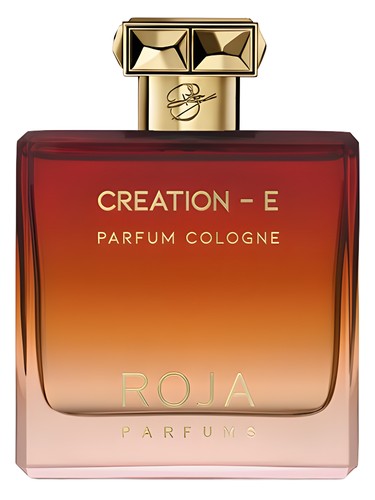
Side by side
Comparing the originals — price, breadth, listed-note depth.
Opens with a bright, slightly herbal citrus from the orange cutting through a cool lavender accord — clean but not sharp. The heart settles into a lush, powdery floral where rose and jasmine intertwine with enough sweetness to tip toward gourmand territory without fully committing. The dry-down is where it earns its price: amber and oakmoss create a warm, resinous depth anchored by a quiet, earthy vetiver. Projection is moderate and refined, leaving a soft, skin-close sillage that lingers elegantly — best worn in cooler spring or autumn days when the warmth amplifies the floral-amber core.
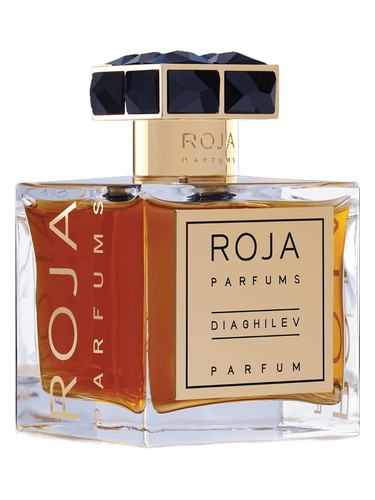
Bergamot opens with cool, citrus-edged brightness that fades quickly into a powdery iris heart — the kind that reads as expensive skin rather than floral. Oud adds a dark, resinous backbone without going overtly smoky, while sandalwood and amber soften the whole structure into something warm and almost edible at the dry-down. Musk keeps projection intimate and close, leaving a slow-fading sillage that lingers on fabric for hours. Dense, deliberate, and unrushed — made for cold evenings and people who wear fragrance as a statement rather than an afterthought.
How they overlap
Creation-E and Diaghilev share exactly one note (amber). The overlap is real but narrow — most of the wear experience will diverge.
The buying decision
Creation-E is the cheaper original at $415 compared to $515 for Diaghilev — about 19% less. Creation-E is built for spring/summer/fall; Diaghilev for fall/winter. Pick by when you'd actually wear it.
Recommendation
If you're price-sensitive, Creation-E delivers comparable territory at $100 less than Diaghilev. If you want the specific character of Diaghilev — the prose above is the better guide than the price — the premium is what you're paying for.