Key of Life vs Aoud
Side by side. Scored honestly.
← Compare different fragrances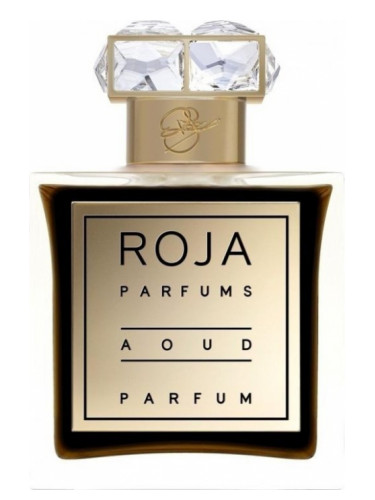
Side by side
Comparing the originals — price, breadth, listed-note depth.
Bergamot and lemon open with clean, bright citrus that fades quickly rather than lingering. The heart is where it earns its price — jasmine and rose settle into a full, polished floral that reads sophisticated without being powdery or old-fashioned. Sandalwood and amber build a warm, slightly creamy dry-down that carries genuine depth, with musk keeping sillage close and skin-like rather than loud. Projection is moderate, longevity solid. — Best suited for cooler evenings, formal settings, or anyone who wants an understated but undeniably luxurious skin scent.
Opens with a dense, almost medicinal saffron-stained rose — vivid and slightly animalic before the oud anchors everything into dark, resinous territory. The heart is where it earns its price: rose and oud locked together in a smoky, leathery embrace that reads as genuinely opulent rather than synthetic. The dry-down softens through sandalwood and amber into a warm, skin-close finish with long-lasting sillage that still announces itself hours in — projection is bold for the first two to three hours, then intimate. — Cold-weather evenings, formal occasions, anyone who wears fragrance as a statement rather than an afterthought.
How they overlap
Key of Life and Aoud share 3 notes (rose, sandalwood, amber). The same note name doesn't always mean the same scent — different houses use different vanillas, different woods, different musks — but a multi-note shared spine usually does indicate genuinely-comparable wear character. The remaining notes (4 unique to Key of Life, 3 unique to Aoud) are where the divergence happens.
The buying decision
Key of Life is the cheaper original at $395 compared to $560 for Aoud — about 29% less.
Recommendation
If you're price-sensitive, Key of Life delivers comparable territory at $165 less than Aoud. If you want the specific character of Aoud — the prose above is the better guide than the price — the premium is what you're paying for.