God of Fire vs Sauvage EDP
Side by side. Scored honestly.
← Compare different fragrances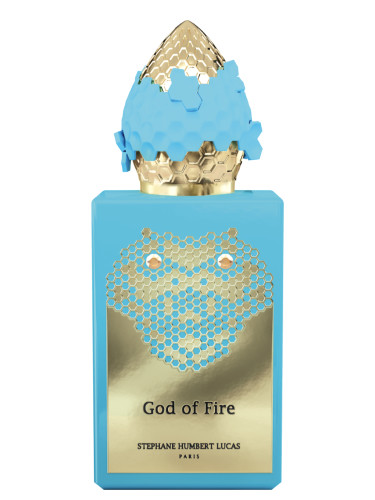
God of Fire

Side by side
Comparing the originals — price, breadth, listed-note depth.
Opens with a sharp, medicinal saffron that quickly locks arms with smoky oud — the combination is abrasive and intentional, not polished. The heart softens into incense-heavy amber, warm and resinous without tipping into cheap sweetness. Vanilla and musk carry the dry-down, rounding the smoke into something skin-close and almost edible. Projection is assertive in the first two hours, then pulls inward to a dense, low sillage that lingers for hours — Fall and winter evenings, formal or date-night, for someone who wants to be noticed without explaining themselves.
Opens with a sharp bergamot-and-pink-pepper blast that has a near-electric quality — clean but with real bite. The lavender arrives quickly in the heart, smoother than expected, softening the pepper without dulling it. Sichuan pepper keeps a faint tingle alive through the mid-stage. The dry-down is where it earns its reputation: amberwood and vanilla pull it into warm, skin-close territory, projection tightening from loud to a confident personal cloud. Sillage trails long and distinctively. — Cool-weather daily wear for someone who wants presence without effort.
How they overlap
God of Fire and Sauvage EDP share exactly one note (vanilla). The overlap is real but narrow — most of the wear experience will diverge.
The buying decision
Sauvage EDP is the cheaper original at $155 compared to $185 for God of Fire — about 16% less. Sauvage EDP covers 3 seasons (spring, fall, winter) — wider weather range than God of Fire, which leans fall/winter-only.