God of Fire vs Tobacco Vanille
Side by side. Scored honestly.
← Compare different fragrances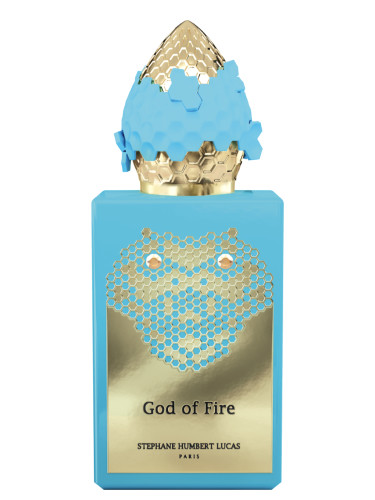
God of Fire

Side by side
Comparing the originals — price, breadth, listed-note depth.
Opens with a sharp, medicinal saffron that quickly locks arms with smoky oud — the combination is abrasive and intentional, not polished. The heart softens into incense-heavy amber, warm and resinous without tipping into cheap sweetness. Vanilla and musk carry the dry-down, rounding the smoke into something skin-close and almost edible. Projection is assertive in the first two hours, then pulls inward to a dense, low sillage that lingers for hours — Fall and winter evenings, formal or date-night, for someone who wants to be noticed without explaining themselves.
Opens with a burst of warm, slightly bitter tobacco leaf cut through with baking spices, then settles quickly into its real identity: a dense, almost edible heart of vanilla and tonka bean wrapped around sweet tobacco blossom and a whisper of cocoa. The dry-down is smooth and relentless, staying close to the skin but leaving a heavy, honeyed sillage that reads in any room. Projection is generous without being aggressive — this wears like an expensive dessert you're not sharing — Deep fall and winter evenings, anyone who wants to smell unmistakably present.
How they overlap
God of Fire and Tobacco Vanille share exactly one note (vanilla). The overlap is real but narrow — most of the wear experience will diverge.
The buying decision
God of Fire is the cheaper original at $185 compared to $395 for Tobacco Vanille — about 53% less. Both wear best across the same fall/winter — they're interchangeable on weather fit.
Recommendation
If you're price-sensitive, God of Fire delivers comparable territory at $210 less than Tobacco Vanille. If you want the specific character of Tobacco Vanille — the prose above is the better guide than the price — the premium is what you're paying for.
Free: The 30 Best-Tested Dupes Under $40
A community-scored cheat sheet you can download now — 30 designer scents matched for under $40, ranked by accuracy and longevity.