Cherry Smoke vs Neroli Portofino
Side by side. Scored honestly.
← Compare different fragrances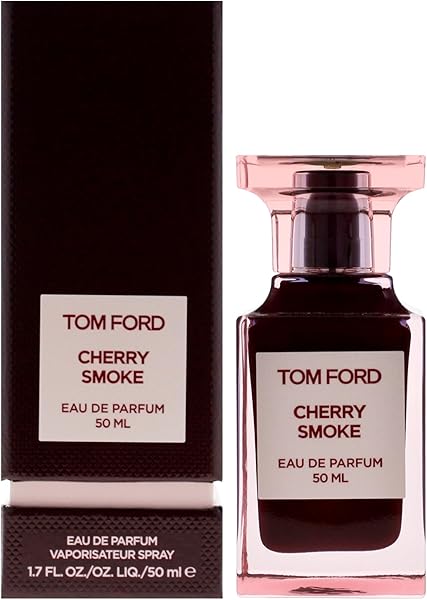
Side by side
Comparing the originals — price, breadth, listed-note depth.
Opens with a dark, almost bruised cherry — fruit that reads more fermented than fresh — immediately threaded with dry smoke and bitter leather. The heart deepens as oud and amber push the sweetness into resinous, slightly medicinal territory, keeping the gourmand angle from tipping saccharine. The dry-down is where it earns its price: vanilla and musk soften the edges into a warm, smoldering skin-close haze with moderate sillage that lingers for hours without announcing itself to the room — Cold-weather evenings, date nights, anyone who wants gourmand without smelling like dessert.
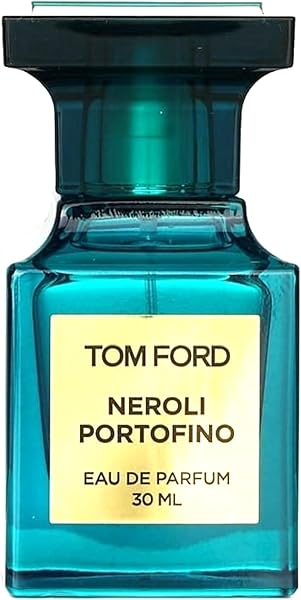
Bergamot and lemon hit first — sharp, almost electric — before neroli softens the opening into something warmer and more floral without going soapy. The heart is clean Mediterranean air: that particular combination of citrus and white flower that reads as expensive rather than functional. Cedarwood and amber anchor the dry-down just enough to give it staying power, though sillage stays close to the skin and projection is moderate at best. What lingers is a dry, slightly woody musk that wears like clean skin with history — Warm-weather essential for anyone who wants polished, effortless freshness without sweetness.
How they overlap
Cherry Smoke and Neroli Portofino share 2 notes (amber, musk). The same note name doesn't always mean the same scent — different houses use different vanillas, different woods, different musks — but a multi-note shared spine usually does indicate genuinely-comparable wear character. The remaining notes (5 unique to Cherry Smoke, 4 unique to Neroli Portofino) are where the divergence happens.
The buying decision
Neroli Portofino is the cheaper original at $325 compared to $370 for Cherry Smoke — about 12% less. Cherry Smoke is built for fall/winter; Neroli Portofino for spring/summer. Pick by when you'd actually wear it.
Free: The 30 Best-Tested Dupes Under $40
A community-scored cheat sheet you can download now — 30 designer scents matched for under $40, ranked by accuracy and longevity.