Tobacco Oud vs Oud Wood Intense
Side by side. Scored honestly.
← Compare different fragrances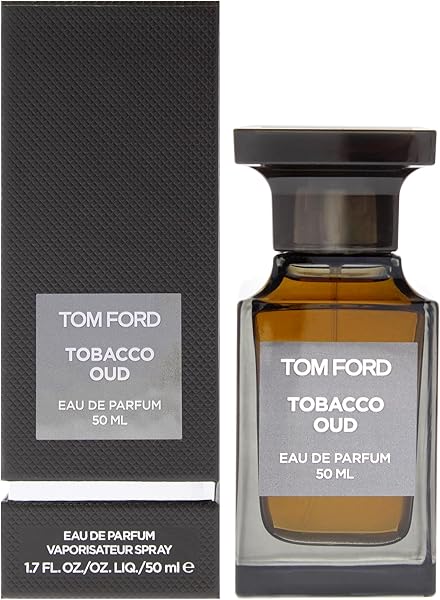

Side by side
Comparing the originals — price, breadth, listed-note depth.
Opens with a sharp, almost medicinal tobacco that hits hard alongside a resinous, smoky oud — both aggressive and unapologetic. In the heart, leather adds a dry, animalic edge while cedar and spice keep things from turning too sweet. The dry-down is where vanilla and amber soften the whole thing into something richer and more wearable, with musk anchoring it close to skin. Projection is substantial in the first few hours before settling into a dense, warm sillage that lingers for hours. — Cold-weather evenings, confident wearers who want to be noticed before they enter the room.
Opens with a sharp cardamom bite that quickly gives way to a dense, resinous oud — smoky but polished, not barnyard. Sandalwood and cedar smooth the heart into something almost creamy, while leather adds a dry, slightly animalic edge that keeps it from going soft. Amber anchors the dry-down with a warm, honeyed depth that lingers close to skin for hours. Projection is moderate but deliberate; sillage is a dark, woody trail rather than a cloud. — Cold-weather evenings, formal settings, anyone who wants oud that commands without shouting.
How they overlap
Tobacco Oud and Oud Wood Intense share 4 notes (oud, cedar, leather, amber). The same note name doesn't always mean the same scent — different houses use different vanillas, different woods, different musks — but a multi-note shared spine usually does indicate genuinely-comparable wear character. The remaining notes (4 unique to Tobacco Oud, 2 unique to Oud Wood Intense) are where the divergence happens.
The buying decision
Tobacco Oud is the cheaper original at $310 compared to $375 for Oud Wood Intense — about 17% less. Both wear best across the same fall/winter — they're interchangeable on weather fit.