Tuxedo vs Black Opium
Side by side. Scored honestly.
← Compare different fragrances
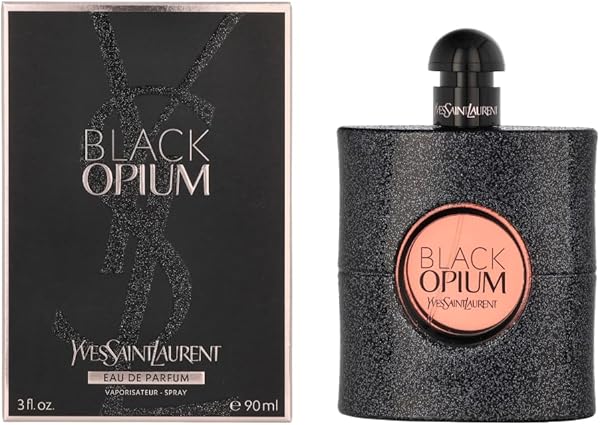
Side by side
Comparing the originals — price, breadth, listed-note depth.
Bergamot cuts through first — bright, almost sharp — before cardamom and iris pull it into cool, powdery territory. The heart is where it earns its name: oud and sandalwood lock together into something dark and structured, neither too smoky nor too sweet. Amber and vanilla ease in during the dry-down, softening the wood without tipping into dessert territory. Projection is confident without being aggressive; sillage lingers as a warm, slightly spiced skin scent. — Best worn evenings in fall or winter by anyone who wants formal-adjacent without smelling like everyone else in the room.
Opens with a sharp snap of pink pepper before coffee rushes in and dominates the heart alongside jasmine and orange blossom — not a clean floral coffee but something roasted and slightly dark. Projection is bold for the first few hours, with heavy sillage that announces itself in a room. The dry-down softens considerably as vanilla takes over, with patchouli grounding it just enough to avoid pure sweetness. Warm, enveloping, and unsubtle — best worn on cool evenings by anyone who wants to be noticed before they walk in.
How they overlap
Tuxedo and Black Opium share exactly one note (vanilla). The overlap is real but narrow — most of the wear experience will diverge.
The buying decision
Black Opium is the cheaper original at $135 compared to $185 for Tuxedo — about 27% less. Both wear best across the same fall/winter — they're interchangeable on weather fit. Heads up: Tuxedo is marketed masculine, Black Opium is marketed feminine — they target different wearers, though plenty of buyers cross those lines.
Free: The 30 Best-Tested Dupes Under $40
A community-scored cheat sheet you can download now — 30 designer scents matched for under $40, ranked by accuracy and longevity.