Oud Wood vs Tuberose Nue
Side by side. Scored honestly.
← Compare different fragrances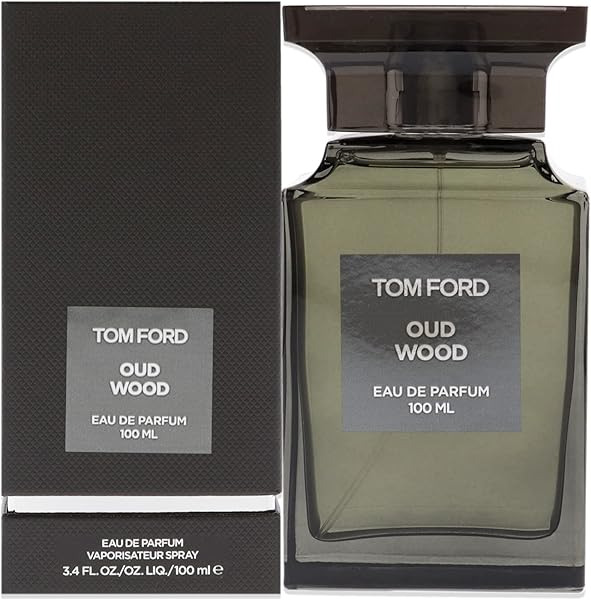

Side by side
Comparing the originals — price, breadth, listed-note depth.
Opens with a soft, spiced warmth — cardamom lifting the rosewood into something almost edible before the oud arrives. And this oud is polished, not barnyard: smooth, slightly smoky, more boardroom than bazaar. The heart settles into a clean wood accord where sandalwood and rosewood blend seamlessly, with vetiver grounding it from beneath. Dry-down is amber-rich and skin-close, leaving a quiet, persistent sillage that lasts for hours without announcing itself. Projection is moderate and intimate rather than room-filling — a fragrance built for proximity. — Fall and winter evenings, anyone who wants sophisticated warmth without heaviness.
Tuberose takes the lead immediately — full, creamy, and almost edible — softened just enough by orange blossom so it never tips into funeral-flower territory. The gardenia lifts the heart with a slight green coolness, keeping the white floral blend from feeling heavy. Projection is moderate: present without demanding the room. The dry-down is where it earns its price, settling into a warm sandalwood and musk base that lets the tuberose linger in a quieter, skin-close register for hours — Warm-weather evenings and bare skin, for anyone who wants white florals done with restraint rather than spectacle.
How they overlap
Oud Wood and Tuberose Nue share exactly one note (sandalwood). The overlap is real but narrow — most of the wear experience will diverge.
The buying decision
Oud Wood is the cheaper original at $295 compared to $375 for Tuberose Nue — about 21% less. Oud Wood is built for fall/winter; Tuberose Nue for spring/summer. Pick by when you'd actually wear it.
Free: The 30 Best-Tested Dupes Under $40
A community-scored cheat sheet you can download now — 30 designer scents matched for under $40, ranked by accuracy and longevity.